Simple steps you can take to support wildlife
Spring has sprung. Bees begin to emerge, birds start nesting, and the first flowers offer much-needed food after winter. Spring is the moment when our gardens quietly come back to life.
With a few thoughtful changes, any sized garden can become a valuable habitat for pollinators, birds and beneficial insects. Biodiverse gardens are not only better for wildlife – they are for us too. Being amongst richer, more natural and far more interesting gardens throughout the year has been scientifically proven to be good for us.
We all are feeling globally the effects of erratic weather patterns, due to climate change so it’s more important than ever to create ecosystems and balance within our gardens. Porous areas for torrential downpours and resilient plant choices to cope with hotter summers.
Our garden spaces no matter how big or small, are in effect nature reserves and when we leave nature to its own devices it generally thrives. Biodiversity is a current buzz word but one that we think should be applauded and encouraged.
Here are five simple ways to increase biodiversity in your garden this spring.
1. Support Pollinators with the right plants
Some garden plants are beautiful but offer very little nectar or pollen.
If biodiversity is a priority, favour simple, open flowers that insects can access easily.
Pollinator-friendly favourites below have the added bonus of being perennial so will return each year:
- Salvia
- Verbena bonariensis
- Lavender
- Nepeta (catmint)
- Foxgloves
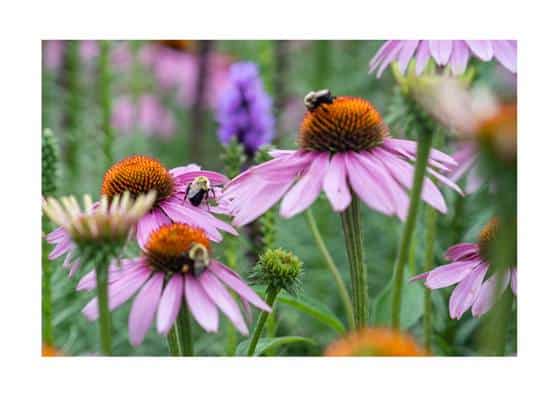
- Echinacea
Also consider seasonality- early blooms such as crocus and primrose, right the way through into autumn with sedums and heathers.
This is one client’s review about their new planting:
“We are delighted with the way the planting has worked out, thank you so much. The bees absolutely love it too; with so many different types visiting the flowers.”
Sarah & Mark- Rotherwick
2. Ban the Chemicals
At Outside Design we are passionate advocates of organically gardening, we do not advise use of any sort of chemicals – as these do more damage than good. We never specific any plastic membranes or artificial turf- essentially non-biodegradable materials that do not belong anywhere and only break down into micro plastics. The incredible array of small beneficial flora and fauna that sustains our soils, deserves to be nurtured to allow our plants and those creatures that inhabit our gardens to thrive.
While generally our gardens are calming and tranquil places many a battle has been waged against certain pests. Apart from building obvious barriers such as deer and rabbit fencing for large pests such as these it’s often the smallest of insects that cause us as gardeners the most distress. We all know that sinking feeling when you have nurtured a plant for months only to find it razed to the ground or covered in greenfly.
So, what can we do to help improve our chances of protecting our crops and flowers? The Royal Horticultural Society publishes an annual list of the top ten pests in the country and consistently slugs and snails are our number 1 pest.
Beer traps are incredibly effective. Although the liquid mush of drowned molluscs is not pleasant to clean out at least, we can assume they had a happy end. Simply filling a low bowl filled with beer will lure them in at night time positioned near plants showing signs of attack. Remove and refill when required.
Another biological option is the use of Nemotodes. This is a treatment that lasts for up to six weeks and works on all soils including heavy clay. It is watered into the soil and kills slugs within the soil. Your soil temperature must be at 5 degrees for it to work well so generally from mid- March onwards. Repeat the process later in the season you will be able to control any populations hoping to overwinter. Nemaslug is a great product for any one suffering with a major slug onslaught and it completely harmless to all wildlife, pets and children.
Encourage those wonderful predators into your garden that gobble up the baddies. Hoverflies, lacewings and ladybirds adore eating aphids. Erect physical barriers if you have to – covering crops with fleece to guard against carrot fly or flea beetle on your rocket works a treat and is easy. Often it is a case of protecting a plant, particularly young hedges until they get established. Once larger they can deal with the occasional nibble.
3. Do Less and go Wild
Perfectly tidy gardens often provide very little habitat for wildlife.
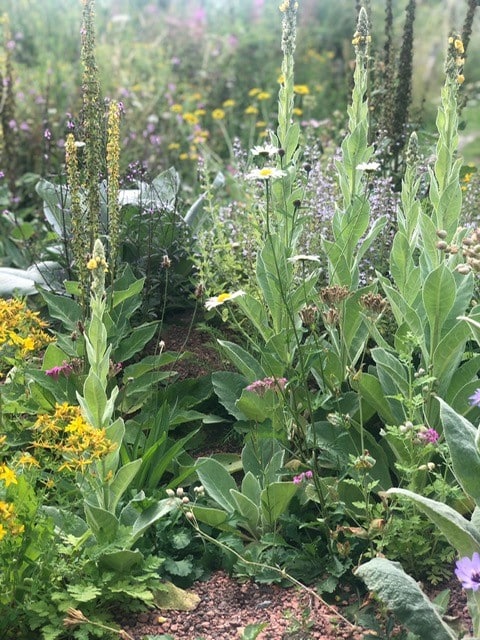
Allowing a small part of the garden to grow more naturally can support many species. Organic and rich biodiverse gardens don’t have to be messy – although if you have room having some little corners left alone, is a good thing. Even lessening the amount, you mow in spring and summer will attract more flowers and insects to your patch – along with the added bonus that is will be more robust to cope with drought, over a short, cropped lawn. Remember that gardens are eco systems for all and although it may be a pest to you, its supper for something else.
This might include:
- A patch of longer grass
- A small wildflower area- see below
- Leaving seed heads through winter
- Allowing native plants to self-seed
These areas provide food, shelter and nesting opportunities for insects and birds.
4. Add Layers of Planting
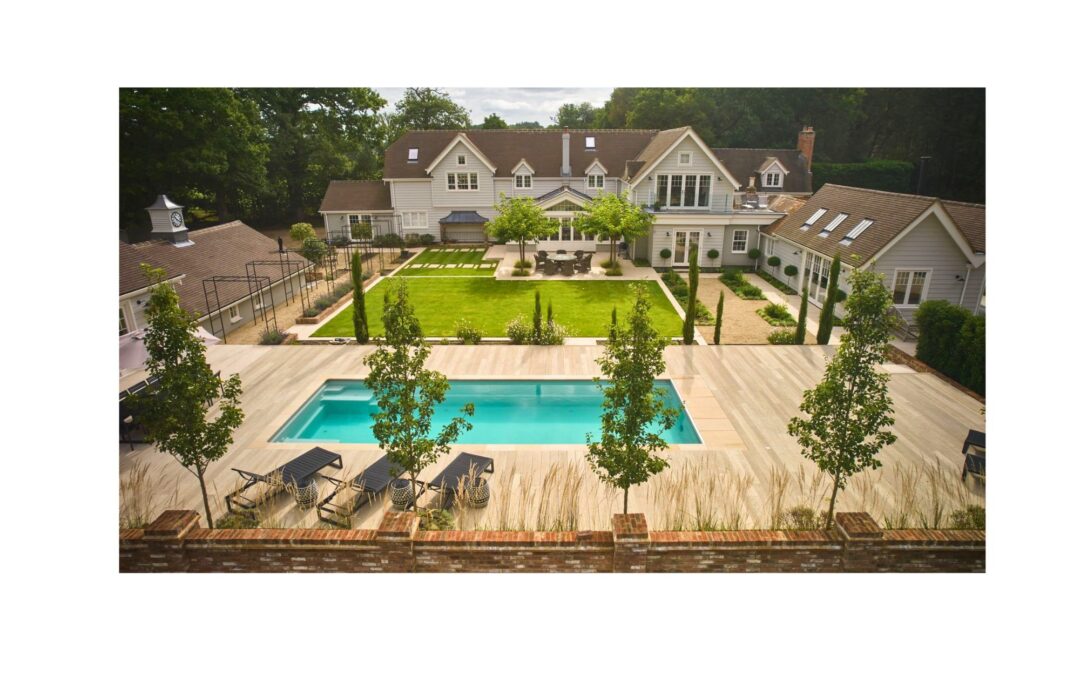
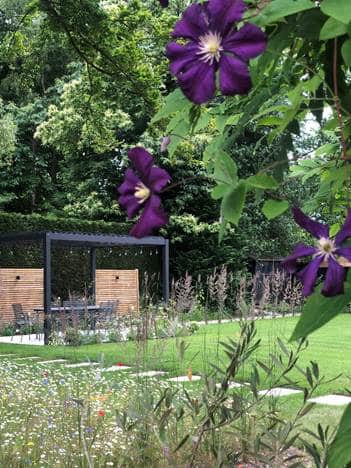
Wildlife thrives in gardens with different layers of vegetation. So often sadly gardens are simply a square of lawn, paving and maybe a tree or hedge – essentially monocultures with very little value to nature.
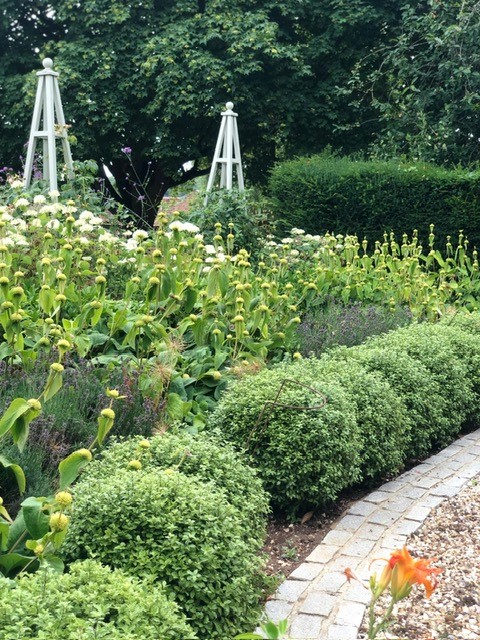
Our planting design creates rich varied levels of planting that makes a space immediately feel more dynamic and interesting. By adopting a layered planting approach creates shelter, nesting opportunities and year-round interest.
For example: in place of planting only low flowers, include a mix of:
- An ornamental tree
- Underplanted with shrubs
- Followed by flowering perennials and groundcover plants below
This also means lower maintenance particularly if you focus on using evergreen flowering perennials and shrubs, as the soil is covered and less likely for wind blown weed seeds to take up residence.
This creates a more visually balanced garden and provides structure for wildlife. Our garden designs focus on creating beautiful deep pockets of planting that you feel immersed in, nestling in seating zones amongst the flowers.
5. Just Add Water
A reliable water source is invaluable in a garden ecosystem. By introducing water into your garden either at ground level or within a raised feature the benefits are enormous. We love them as they add an ambiance to a garden that we are always drawn to. The sound of moving water is a tranquil one and works even in the depths of winter.
Even a small water feature can attract:
- Birds
- Pollinating insects
- Frogs and beneficial amphibians
Options include:
- A shallow wildlife pond
- A simple stone bird bath
- A bowl of water with pebbles for bees to land on
Ensure there are gentle edges or stones so animals can safely access the water for those features that are at ground level, to attract wildlife.
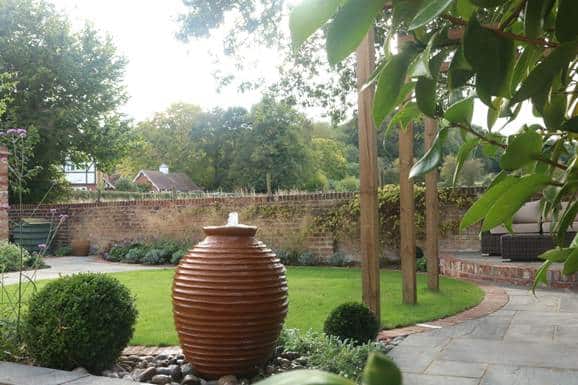
Below we used a simple bubbling urn nestled in planting. This focal point is positioned as a focal point along a path leading to a seating space. Our client loves how it catches the light, the sound of the water particularly on a hot day and enjoys seeing birds alight and drink from her kitchen window. It’s also a very safe option for her grandchildren.
Biodiverse Gardens Are Often the Most Beautiful
Gardens designed with wildlife in mind tend to feel more natural, dynamic and full of life.
Birdsong, butterflies, and pollinators moving through planting all contribute to a space that feels calm and connected to nature. So often this is what our clients comment on, how they love watching the bees in their flowers or the movement of birds on a bird bath. Seasonal moments of calm to enjoy.
Considering a More Natural Garden?
If you’re planning improvements this year, a thoughtful design can help create a garden that supports wildlife while still feeling elegant and well structured.
A garden design consultation can help identify:
- the best planting opportunities
- areas for wildlife habitat
- layout improvements that enhance both biodiversity and beauty
- how to intervene less and find sustainable solutions for problem areas.
Not sure where to start? That’s where we come in. We’ll help you create a garden that feels natural, looks stunning, and supports wildlife all year round. Get in touch to book your consultation.